
Popular Cement Pad Repair Products For Professional Results
Discover the most trusted tools and materials that help you achieve a smooth, strong repair on your cement surfaces.
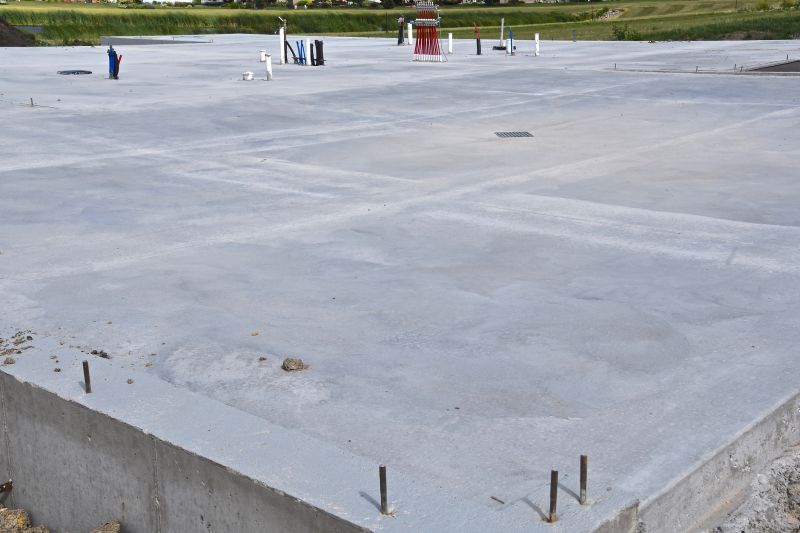 Cement pad repairs are essential for maintaining the integrity and safety of outdoor surfaces such as driveways, walkways, and patios. Over time, exposure to weather elements, ground movement, and regular use can cause cracks, chips, and uneven areas in cement pads. Addressing these issues promptly can prevent further deterioration and extend the lifespan of the surface. Repair products designed specifically for cement pads provide various solutions, from patching cracks to leveling uneven surfaces. Selecting the right repair materials depends on the extent of damage, the location of the pad, and the desired finish.
Top Overall Option
Concrete Repair Patch Kit
A versatile concrete repair patch kit typically includes a durable patching compound, a trowel, and instructions for application. It is suitable for filling cracks, chips, and minor surface damage, providing a strong bond and weather resistance. These kits are designed for ease of use, making them accessible for DIY repairs and professional applications alike.
Types of Products For Cement Pad Repairs
Epoxy Concrete Repair Mortar
A high-strength epoxy mortar designed for filling deep cracks and restoring structural integrity of cement pads.
Polymer-Modified Cement Patch
A cement-based patch that incorporates polymers for enhanced adhesion and flexibility, suitable for surface repairs.
Resurfacing Concrete Overlay
A thin layer of polymer-modified concrete that can be applied over existing surfaces to create a smooth, uniform finish.
Quick-Set Cement Mix
A fast-curing cement mix ideal for small repairs and quick restoration of damaged areas.
Crack Filler Sealant
A flexible sealant formulated to fill and seal surface cracks, preventing water infiltration and further damage.
Self-Leveling Concrete Compound
A pourable compound that levels itself to fill uneven surfaces and restore flatness.
Hydraulic Cement
A waterproof cement used for stopping leaks and repairing cracks exposed to moisture.
Polyurethane Concrete Sealant
A flexible sealant that adheres well to concrete and accommodates slight movement.
Fiber-Reinforced Repair Compound
A repair material embedded with fibers for added strength and crack resistance.
Bonding Agent for Concrete
An adhesive primer that improves the bonding of new repair materials to existing concrete surfaces.
Concrete Resurfacing Skim Coat
A thin layer applied over damaged surfaces to conceal imperfections and create a fresh appearance.
Polymer Concrete Patch
A versatile patching compound that offers good adhesion and durability for various repair needs.
Cementitious Waterproof Coating
A coating designed to provide waterproofing and surface protection after repairs.
Fast-Setting Repair Cement
A repair cement that cures quickly, suitable for urgent repairs.
Crack Repair Tape
Reinforced tape used in conjunction with repair compounds to reinforce crack repairs.
Popular Choices
A user-friendly sealant designed to fill and seal surface cracks in cement pads.
A versatile patching compound suitable for various surface repairs with good adhesion.
A complete kit for applying a new surface layer over damaged or uneven concrete pads.
A durable, waterproof cement ideal for sealing cracks exposed to moisture.
A popular choice for restoring flatness to uneven cement surfaces.
A quick-curing solution for small to medium repairs requiring minimal downtime.
Flexible sealant designed to prevent water infiltration and further crack development.
A patching product with added fibers for enhanced crack resistance and durability.
A primer that enhances adhesion between old and new concrete repair materials.
A thin overlay that helps improve surface appearance and smoothness.
A coating applied after repairs to provide additional protection against moisture.
A cement mix that sets quickly, ideal for urgent repairs.
Reinforced tape used to reinforce crack repairs for added strength.
A combined product for filling and leveling uneven surfaces efficiently.
A sealant that accommodates slight movements in the concrete structure.
A paint-like coating that can be applied over repaired surfaces for aesthetic enhancement.
Many repair products are formulated for easy application, allowing homeowners and professionals alike to perform repairs with minimal special tools or expertise. These products often come in ready-to-use formulas or powders that can be mixed with water or other binders. For larger repairs, there are specialized compounds that adhere strongly and cure to form durable, weather-resistant patches. Proper preparation of the damaged area, including cleaning and removing loose debris, is crucial for achieving optimal results.
In addition to patching compounds, there are also leveling compounds and resurfacing products that can help restore a smooth, even surface to a damaged cement pad. These products are useful when surface irregularities are significant or when a more uniform appearance is desired. Some repair solutions are designed to blend seamlessly with existing concrete, providing a more aesthetically pleasing finish. When selecting a repair product, it is important to consider factors such as curing time, adhesion properties, and compatibility with existing concrete.
Overall, choosing the appropriate repair products requires understanding the specific needs of your cement pad and the type of damage present. Proper application and curing are key to ensuring long-lasting repairs. Whether you are addressing small cracks or major surface damage, there are a variety of products available to help restore your cement pad's functionality and appearance effectively.
Key Buying Considerations
- Extent of damage: Assess whether repairs involve small cracks, chips, or extensive surface deterioration.
- Type of repair needed: Determine if a patch, filler, leveling, or resurfacing product is most appropriate.
- Curing time: Consider how quickly the product sets and cures, especially if repairs need to be completed rapidly.
- Adhesion properties: Ensure the product bonds well with existing concrete for long-lasting results.
- Weather resistance: Choose products formulated to withstand outdoor conditions such as rain, temperature changes, and UV exposure.
- Ease of application: Select products that match your skill level and available tools, whether DIY or professional use.
- Compatibility: Verify that the repair material is compatible with existing concrete and other repair products used.
- Durability: Look for products designed to withstand foot traffic, vehicular load, or other stresses relevant to your application.
- Finish appearance: Decide if a seamless, blended finish is desired or if surface texture and color are less critical.
- Waterproofing: Consider whether the product provides additional waterproofing or moisture resistance.
- Size and coverage: Match the product quantity with the size of the repair area to avoid shortages or excess.
- Environmental conditions: Take into account the climate and typical weather conditions in your area.
- Cost and value: Balance the product's cost with its features and expected performance.
- Regulatory compliance: Ensure the product meets any local standards or codes for outdoor concrete repairs.
- Long-term maintenance: Consider if the product requires additional treatments or periodic reapplications.
This page contains affiliate links. We may earn a commission from qualifying purchases to support our content. All recommendations are based on informational value and not sponsored endorsements.