Optimal Timing for Cement Pad Repairs
Timing is crucial for effective cement pad repairs to ensure durability and longevity. The optimal period depends on weather conditions, material curing times, and structural assessment. Proper planning can prevent future issues such as cracking or shifting.
Perform repairs during dry, mild weather to facilitate proper curing and adhesion of materials.
Late spring and early fall often provide the best conditions, avoiding extreme cold or heat that can affect concrete setting.
Temperatures between 50°F and 85°F support optimal curing; avoid repairs during freezing or scorching temperatures.
Schedule repairs after a thorough inspection to identify underlying issues that may influence timing.
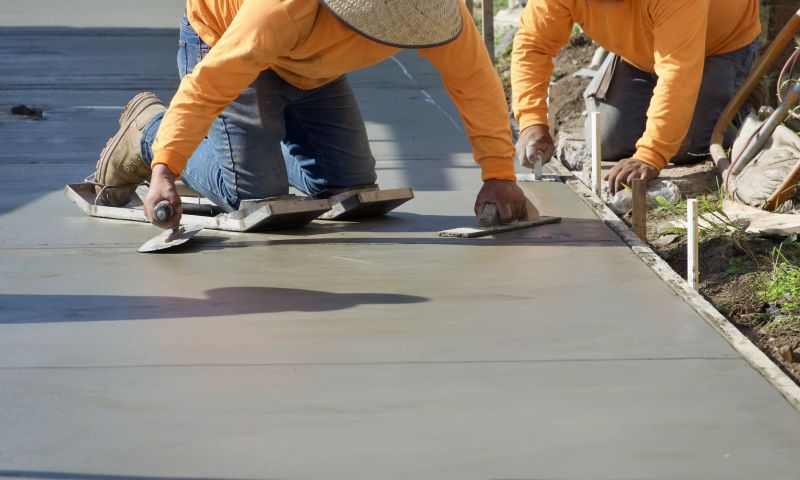
Image depicting the step-by-step repair process for cement pads.
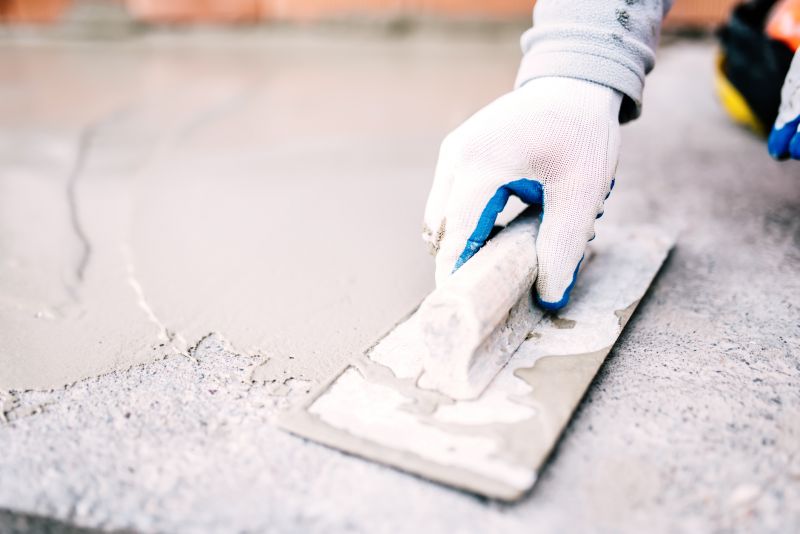
Image showing ideal weather conditions for curing cement.
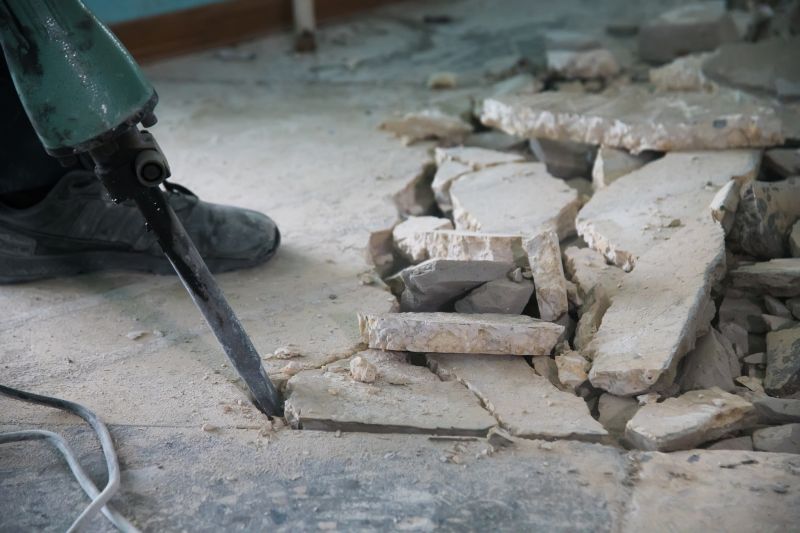
Image of equipment used in cement pad repairs.
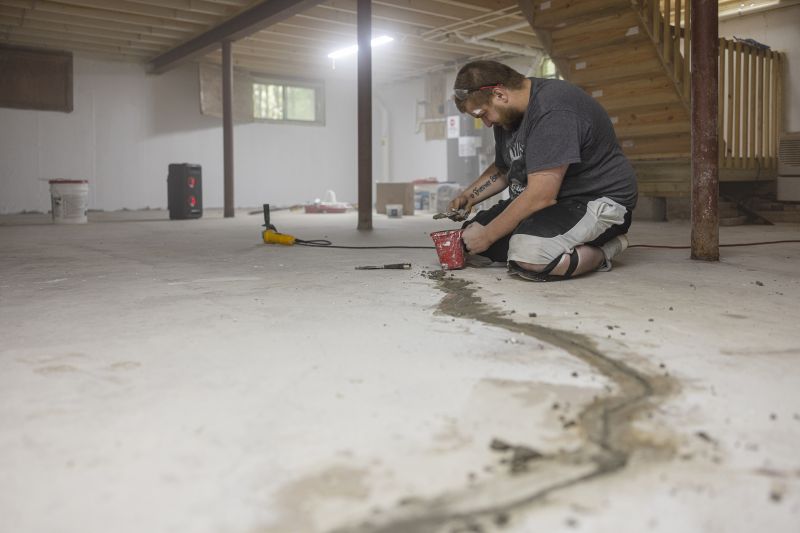
Ways to make Cement Pad Repairs work in tight or awkward layouts.

Popular materials for Cement Pad Repairs and why they hold up over time.
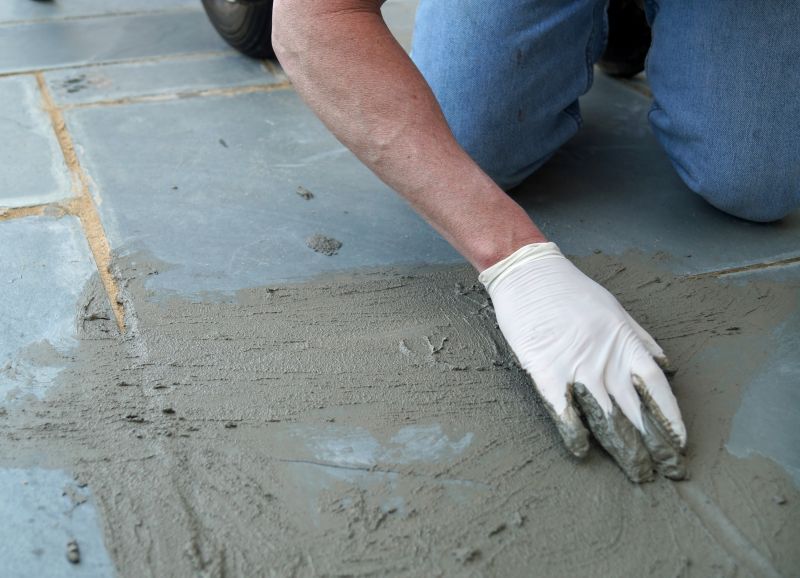
Simple add-ons that improve Cement Pad Repairs without blowing the budget.
| Factor | Recommended Timing |
|---|---|
| Weather conditions | Dry, mild weather |
| Temperature range | 50°F to 85°F |
| Season | Late spring to early fall |
| Post-inspection | After structural assessment |
| Upcoming weather | Avoid during forecasted storms or extreme cold |
Cement pad repairs are essential for maintaining structural integrity and safety in various settings. Proper timing ensures that repairs are effective and durable. Weather plays a significant role, as concrete requires specific conditions to cure correctly. Repairing during optimal weather conditions reduces the risk of cracks, shifting, or failure. Statistics indicate that repairs performed in suitable conditions have a 30% higher success rate, extending the lifespan of the cement pad.
The process involves assessing existing damage, removing compromised material, and applying new concrete with proper curing techniques. Timely repairs can prevent costly future damage and maintain functional surfaces. Regular inspections help identify issues early, allowing for repairs during the most appropriate seasons, thus optimizing results and minimizing disruptions.
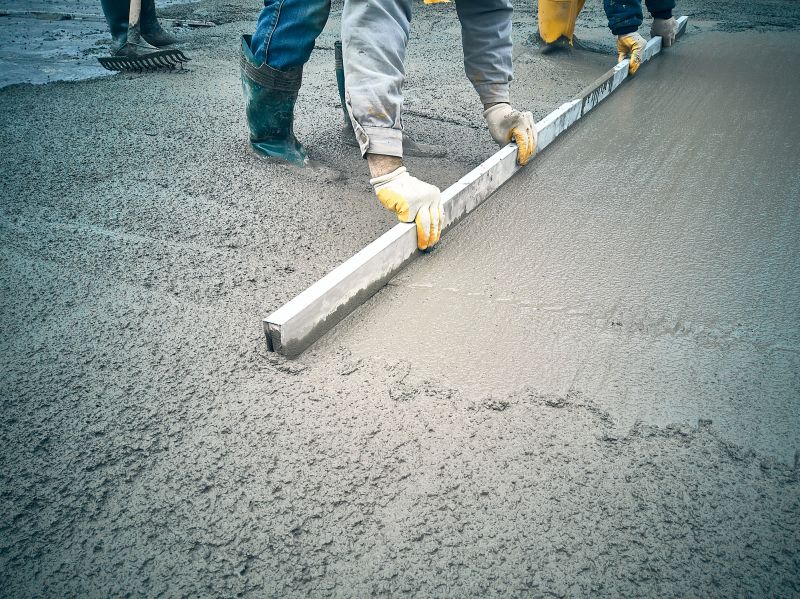
Image showing site clearing and preparation for repair.
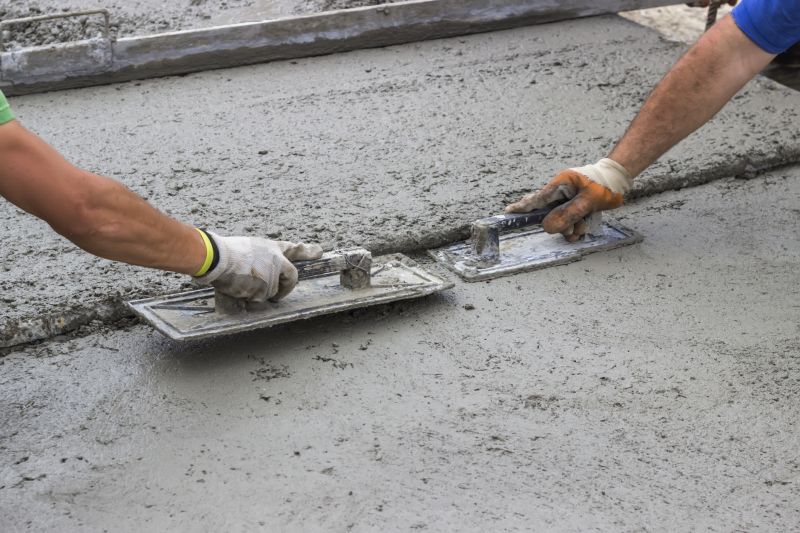
Image of fresh concrete being poured into the repair site.
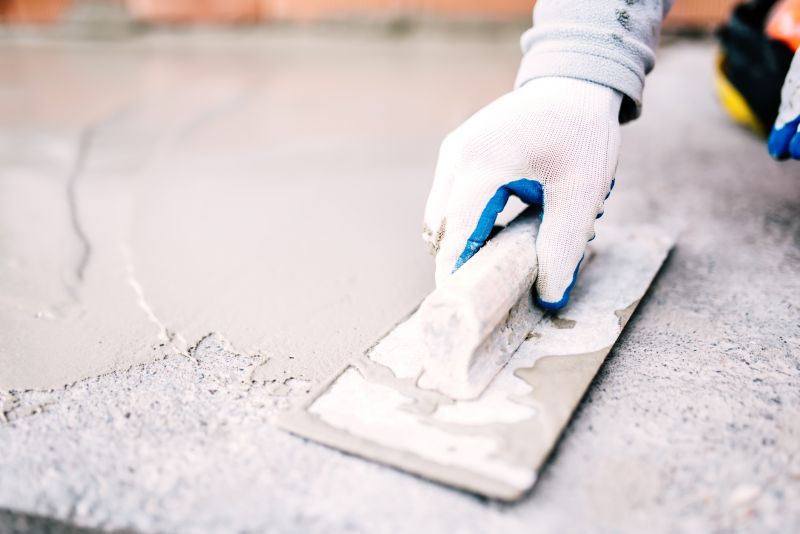
Image illustrating curing techniques for cement.
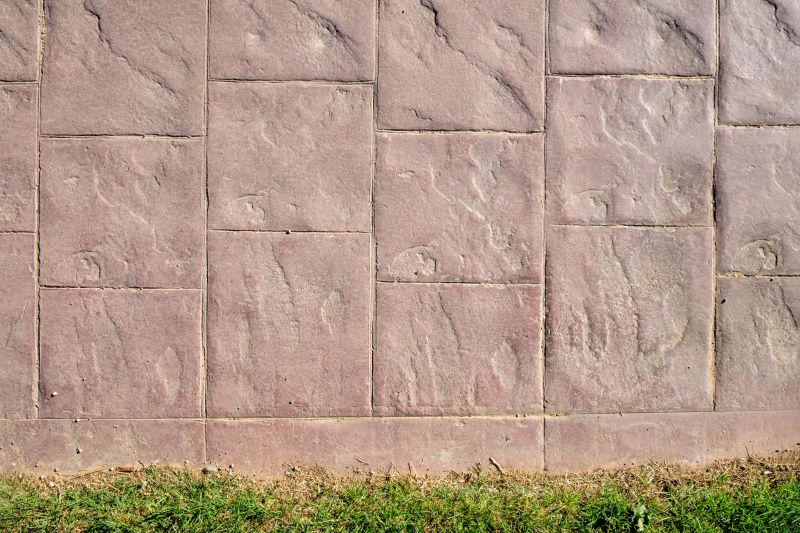
Image of completed repair with quality check.
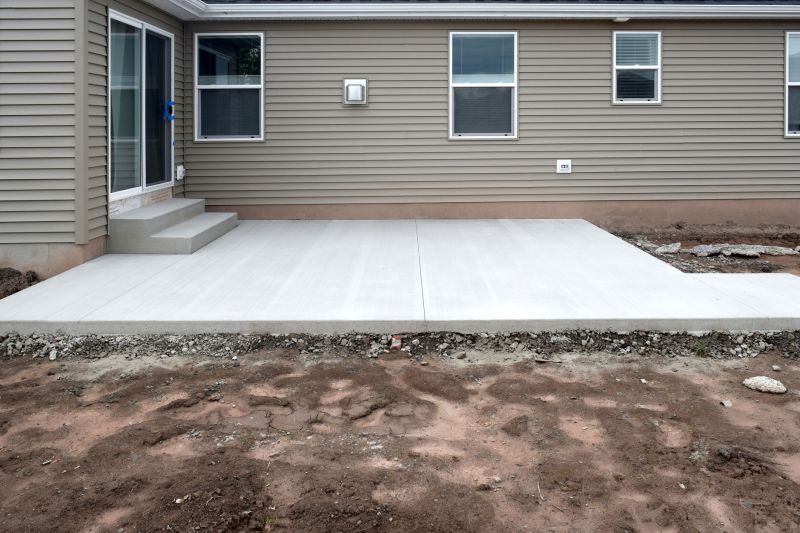
High-end options that actually feel worth it for Cement Pad Repairs.
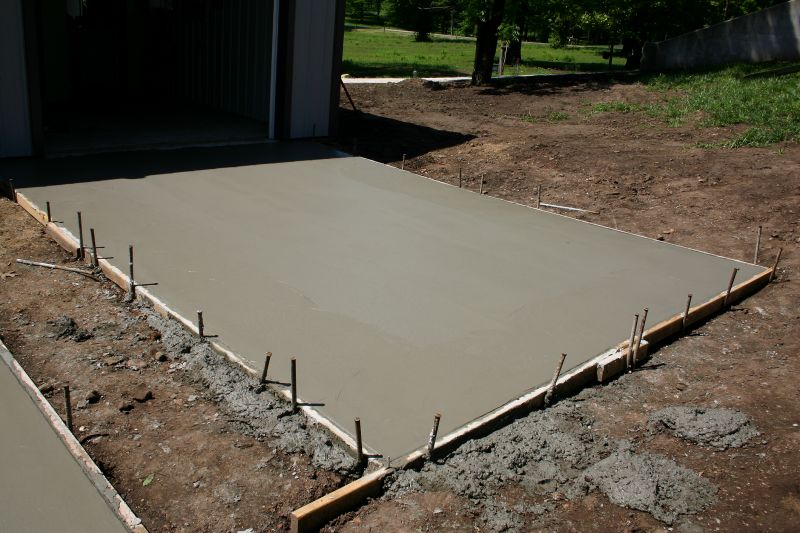
Finishes and colors that play nicely with Cement Pad Repairs.
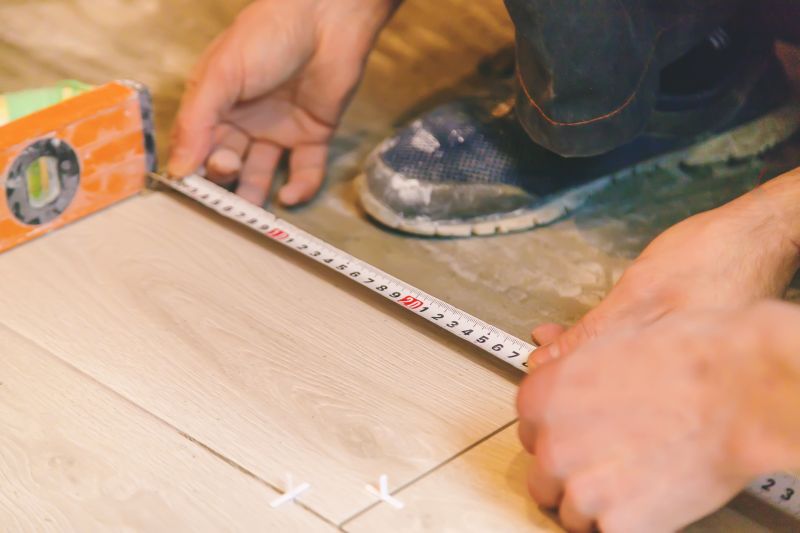
Little measurements that prevent headaches on Cement Pad Repairs day.
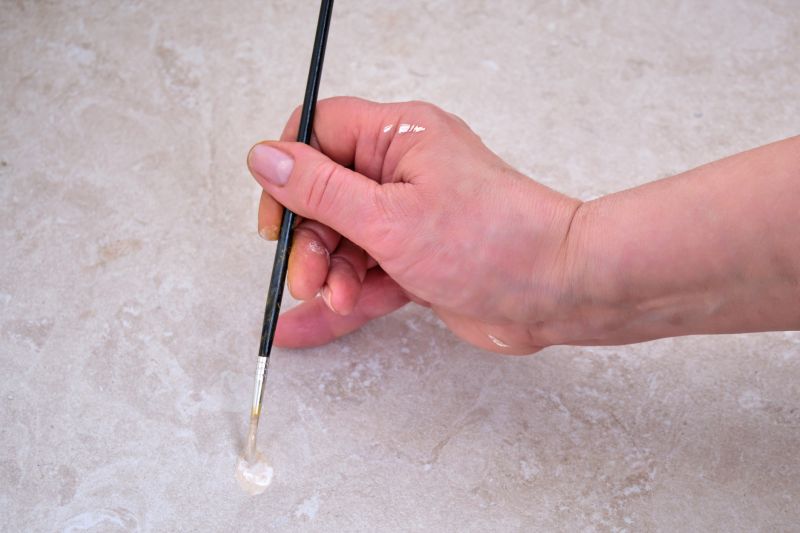
A 60-second routine that keeps Cement Pad Repairs looking new.
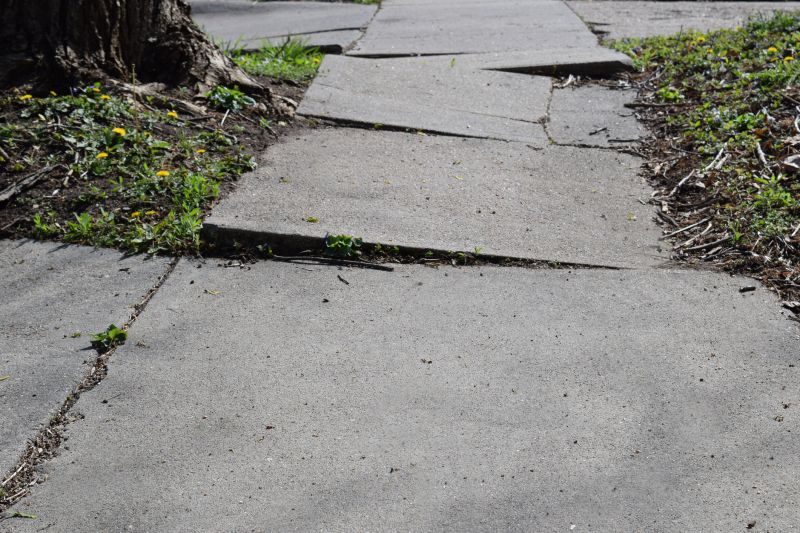
A frequent mistake in Cement Pad Repairs and how to dodge it.
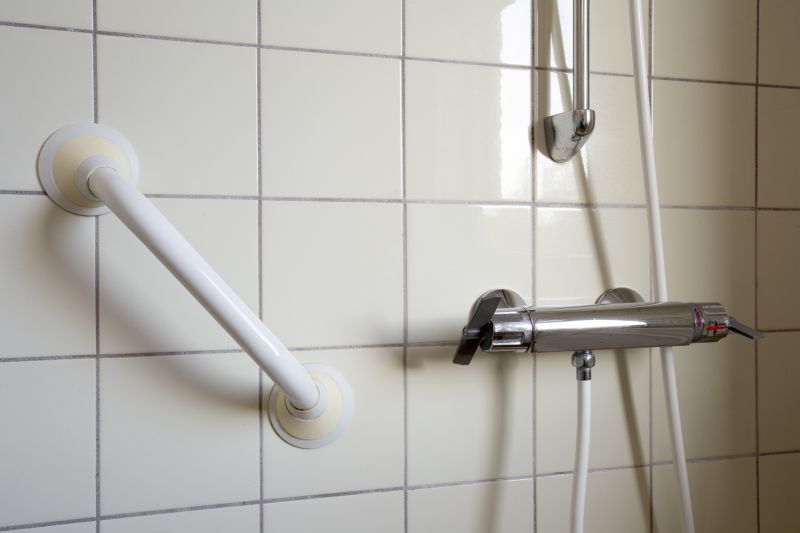
Small tweaks to make Cement Pad Repairs safer and easier to use.
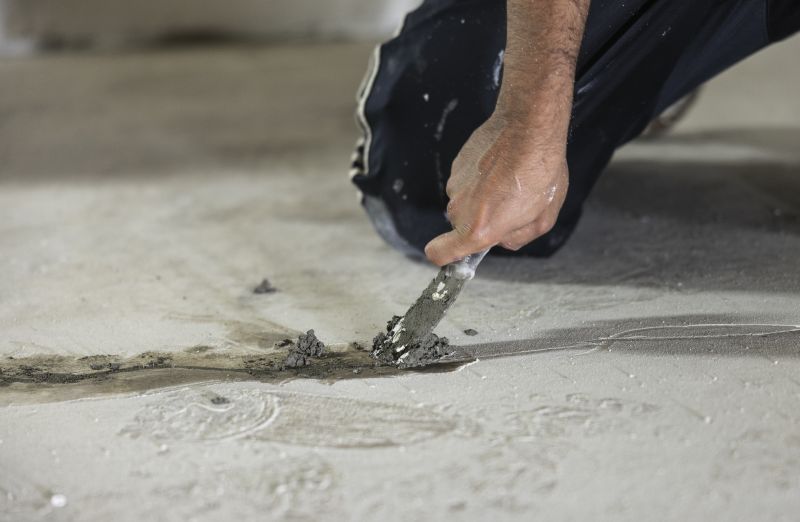
Lower-waste or water-saving choices for Cement Pad Repairs.
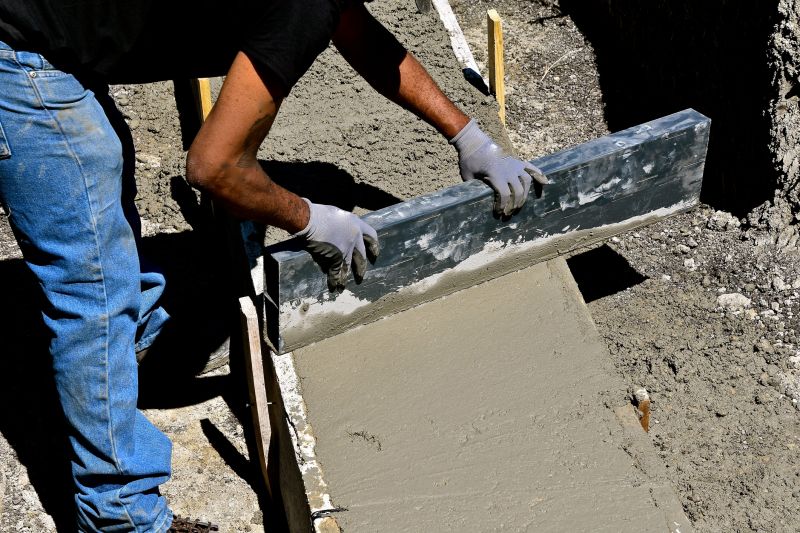
The short, realistic tool list for quality Cement Pad Repairs.
Interested in cement pad repairs? Filling out the contact form can provide more information and assistance in scheduling repairs at the most suitable time for specific needs. Proper timing and execution ensure a durable and long-lasting repair that maintains safety and functionality.